
Picture this. You’re hanging out in a village in Madagascar, and suddenly everyone is losing their absolute minds. Why? Because an animal that weighs less than your average house cat just wandered into town. It isn’t venomous. It can’t rip your throat out. But to the locals, seeing this weird little gremlin is a literal death sentence.
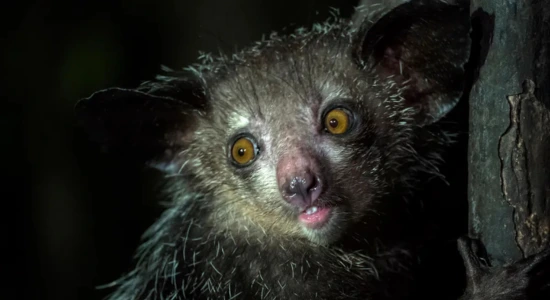
The culprit is the Aye-Aye. It’s a nocturnal lemur that basically looks like a bat, a sewer rat, and a witch got thrown into a blender. It’s got these massive, piercing yellow eyes and teeth that literally never stop growing. But the real reason people are terrified of it has nothing to do with its weird face. It’s all about the hands.
Local legend says that if this thing points its absurdly long, skeletal middle finger directly at you, you’re toast. Marked for a sudden, unavoidable death. Total curse territory. But the actual science behind the creepy aye-aye cursed finger is honestly way crazier than any campfire ghost story.
The Evolutionary Marvel of the Aye-Aye
Spoiler alert: it doesn’t do dark magic. Instead, this weird little primate just evolved one of the most ridiculously specialized hunting setups on the planet. Think of it like Madagascar’s version of a woodpecker, just a lot uglier—and instead of a beak, it’s using a bizarrely flexible skeleton hand to violently drum on trees in the dead of night.
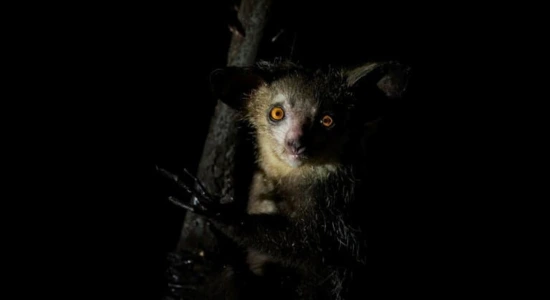
To find dinner, it uses a trick called percussive foraging. It creeps along tree branches in the pitch black and just aggressively taps the bark with that freakishly long middle finger. We’re talking up to eight taps a second. It just sits there, listening for the tiny, hollow echoes that mean a juicy grub is hiding inside the wood.
The Biology Behind the Skeletal Digit
That finger everyone is so terrified of is actually an insane piece of natural engineering. It works on a ball-and-socket joint. That gives the primate this crazy, swivel-like range of motion so it can fish bugs out of twisting, deep wooden tunnels.
Once the Aye-Aye hears a bug squirming around, it uses its weirdly angled front teeth to just rip the tree bark open. Then it slides that ultra-thin digit deep into the hole to hook its snack. The wildest part? The creepy aye-aye cursed finger literally has zero muscle in it. It’s just bone, skin, and tendons. Which explains why it looks so unsettling and dead.
A Tragic Case of Mistaken Identity
But here’s where it gets really sad. This perfect evolutionary survival tool basically ruined the animal’s life. Because it looks so incredibly weird and unnatural to us, rumors about it being a literal demon have stuck around for centuries.
In rural areas, people seriously believe the only way to cancel out the death curse is to kill the Aye-Aye on sight. Then they hang the poor thing’s corpse by the side of the road. Add that massive, deep-rooted superstition to the fact that their forest homes are being bulldozed, and this completely unique primate is teetering right on the edge of extinction.
Conclusion
The Aye-Aye is a brutal reality check on how human paranoia can just wipe out weird, wonderful things in nature. This creature isn’t a demon bringing doom to your village. It’s just a highly adapted survivor that’s been doing its thing for millions of years. So next time you hear some urban legend about a monster in the dark, take a breath. It might just be a harmless, goofy-looking animal trying to find a snack.
The Rabbit Hole Goes Deeper…
If you think a death-cursing skeletal finger is the weirdest thing nature has to offer, you haven’t been digging deep enough into FactFun. The animal kingdom is packed with absolute biological glitches that will make you question reality.
For example, have you ever heard of the tiny, neon-colored sea slug that actively hunts the ocean’s deadliest jellyfish just to weaponize its toxins? Dive into the insane story of the venom-stealing Blue Dragon, or meet the massive machine gun stork that literally sounds like an active warzone.
Stay curious, and keep exploring our mind-bending Weird Animals collection to see what other monsters are hiding in plain sight.
References:
National Geographic — The Misunderstood Aye-Aye and Its Skeletal Finger
Duke Lemur Center — Aye-Aye Foraging Ecology and Folklore
BBC Earth — Madagascar’s Strangest Primate