
Picture a high-end London department store in the 1920s. The aisles of places like Harrods or Selfridges are packed with wealthy socialites draped in heavy furs, massive hats, and sweeping silk skirts. To the male security guards and polite clerks, it just looks like a room full of delicate, respectable ladies doing their afternoon shopping. But right under their noses, a highly coordinated heist is happening in plain sight.
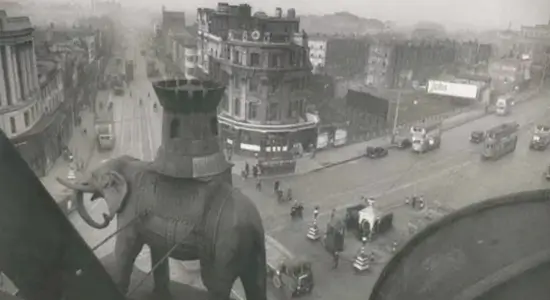
These weren’t just random pickpockets grabbing a shiny necklace. This was a highly disciplined, ruthlessly efficient mafia made entirely of women. Operating out of the Elephant and Castle district, they terrorized the British retail industry for over a century. They used bespoke tailoring, fast cars, and the massive sexist blind spots of their era to build a criminal empire that completely baffled Scotland Yard.
The Clever Engineering of The Forty Elephants
To pull off massive robberies without setting off alarms, the gang had to get creative with their wardrobes. In the late 19th and early 20th centuries, women’s fashion was incredibly heavy and voluminous. The gang realized this was the ultimate smuggling tool. They employed specialized tailors to custom-build their outfits with massive hidden compartments known as “poacher’s pockets.”
These coats and skirts were heavily reinforced and weighed down at the hem with lead so the fabric wouldn’t swing wildly when stuffed with stolen goods. A single member of this London all-female crime syndicate could casually walk out of a jewelry store carrying a dozen stolen silk dresses, heavy fur coats, and expensive rings completely hidden inside her own clothing. To the untrained eye, she just looked like a wealthy woman with a slightly wider dress.
Weaponizing Victorian Sexism
So how did they get away with this for over seventy years? They basically weaponized the gender stereotypes of the era. Victorian and Edwardian society genuinely believed that women were too biologically fragile and simple-minded to organize a complex, syndicated criminal network. The police were looking for rough-looking men in alleyways, not elegantly dressed women browsing expensive boutiques.
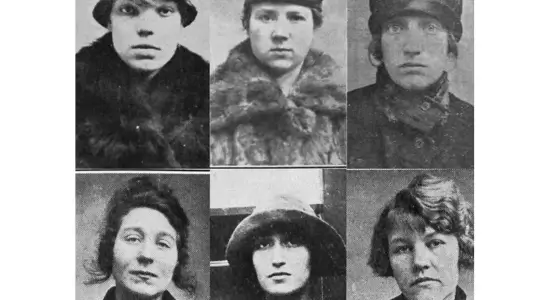
Even if a store clerk got suspicious, they were trapped by the strict social etiquette of the time. You simply couldn’t ask a high-society lady to empty her pockets or lift her skirt without causing a massive, career-ending scandal. The gang exploited this polite hesitation perfectly. They hunted in packs, using decoy members to distract flustered clerks or stage a fake fainting spell while the designated “hoisters” cleared out entire display cases.
Diamond Rings and Brass Knuckles
While they relied on stealth in the department stores, they were incredibly violent on the streets. By the 1920s, the gang was ruled by a woman named Alice Diamond. She was famously tall, fiercely intelligent, and completely ruthless. She earned her nickname because she wore heavy, custom-made diamond rings on almost every single finger. But these weren’t just fashion statements—they functioned as glamorous, high-end brass knuckles.
If a rival gang tried to encroach on their territory, or if a rogue member broke their strict code of silence, they didn’t hesitate to use physical violence. Under Diamond’s leadership, the syndicate evolved. They started investing in fleets of fast getaway cars, outrunning the primitive police vehicles of the 1920s, and expanded their operations from shoplifting to large-scale blackmail and warehouse robberies.
Conclusion
The reign of the syndicate eventually faded as department stores caught on, upgrading their security and hiring female detectives who weren’t afraid to physically search a suspect’s skirt. But the legacy they left behind is wild. They proved that beneath the restrictive corsets and strict etiquette of old London, working-class women were perfectly capable of outsmarting the entire British justice system, running an organized mafia that was just as brutal—and far more stylish—than any male gang in history.
References:
Smithsonian Magazine — The All-Female Gang That Terrorized London
History Channel — The Forty Elephants: London’s Female Crime Syndicate
BBC History — Alice Diamond and the Forty Elephants