
So it’s 1939. This American historian, Paul Kosok, rents out a super sketchy, rattling crop-duster and flies over the blistering dirt of southern Peru. He was literally just looking for old irrigation ditches. Boring stuff. But when he looks down? He sees something that absolutely breaks human logic. There are these mathematically perfect, gigantic geometric shapes and massive animal doodles carved right into the desert floor—some of them stretching over 1,200 feet across.
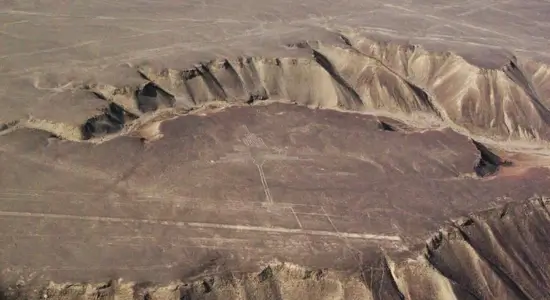
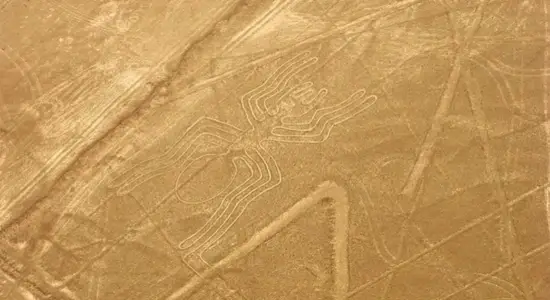
The craziest part is that you literally can’t see them from the ground. For over a thousand years, local people had just been walking right through them. Totally oblivious that they were stepping on the wings of a colossal condor, a giant spider, or this massive 100-foot-tall monkey with a curly tail. Boom. Kosok accidentally stumbles onto one of the biggest archaeological mind-benders on earth.
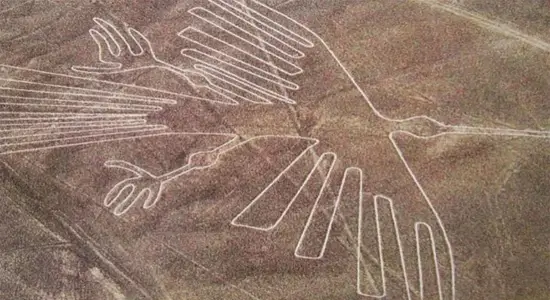
Naturally, the conspiracy crowd lost their absolute minds. Suddenly every armchair historian and pop-culture grifter was screaming about alien landing strips and intergalactic runways. Because obviously, humans couldn’t do that, right? But as actual archaeologists keep digging into that unforgiving Peruvian dirt, the real purpose of the Nazca Lines is turning out to be way darker than UFOs. We’re talking extreme climate survival, severed heads, and some seriously desperate blood rituals.
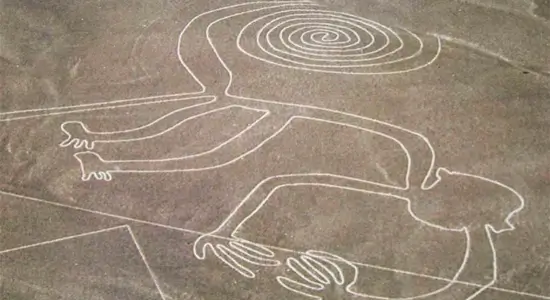
How The Nazca Lines Were Actually Built (Without Aliens)
The whole “ancient aliens” argument basically boils down to this lazy idea that primitive humans couldn’t possibly draw a straight line for a few miles without lasers or spaceships. Please. The reality is way less Hollywood, but honestly? It’s a massive flex of human ingenuity. The Nazca people didn’t need a flying saucer. They just needed wooden stakes, some cotton string, and an absolutely insane amount of patience.
Here’s how they did it. The desert floor in this specific pocket of Peru is coated in a layer of dark, iron-oxide pebbles. But right underneath that dark gravel? A stark white, super-contrasting layer of clay. So, by just scraping the dark rocks away to expose the white dirt, they created these brilliant, glowing lines. And because this desert gets basically zero rain and has zero wind, those shallow little dirt scratches have survived perfectly intact for two millennia. Crazy.
Severed Heads and the Desperate Search for Water
If you want to understand why an entire civilization would spend hundreds of years drawing giant animals in the dirt, you have to look at their environment. The Nazca lived in one of the absolute driest, most unforgiving places on the entire planet. Droughts weren’t just inconvenient. They were brutal, constant, and deadly. Water wasn’t just a basic resource for these people—it was a literal god.
So when researchers finally started digging around the geoglyphs, they obviously didn’t find crashed spaceships. They found bodies. Well, specifically, they found massive caches of “trophy heads.” Yeah. Severed human heads with holes casually drilled into the skulls so they could be strung up and carried on ropes. For decades, nerds in labs debated the actual purpose of the Nazca Lines, but these gruesome bone piles painted a pretty clear, terrifying picture. The lines were tied to a hyper-violent water cult. When the rivers completely dried up, the Nazca desperately offered human blood to the sky, basically begging for rain.
Walking the Labyrinth of the Gods
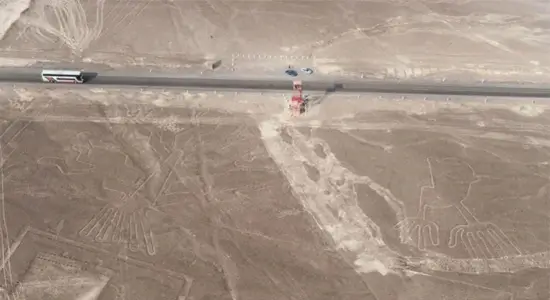
Today, we look at these massive drawings from airplanes and satellites and just automatically assume they were meant to be viewed from up high. But modern archaeologists completely disagree. They don’t think these glyphs were ever meant to be looked at at all. They were meant to be walked.
If you look closely, the animal shapes are actually made of single, continuous lines. They work exactly like massive, single-path labyrinths. Priests and regular citizens would literally walk the exact outlines of the giant spider or the hummingbird. As they walked, they’d smash ceramic clay pots at strategic intersections and leave offerings—which included crops and, you guessed it, human remains. They were physically walking their prayers into the earth. Just hoping whatever gods were up there would look down, accept the blood and broken pots, and finally crack the sky open.
Conclusion
Look, the whole alien runway theory is fun for sci-fi movies. But it completely robs a real, ancient civilization of their totally insane, desperate history. The Nazca people didn’t spend generations scraping these massive desert canvases for intergalactic tourists. They built them because they were literally staring down the barrel of total environmental collapse. The Nazca Lines aren’t some cute message to the stars. They’re a massive, terrifying monument to human survival—carved by people who were dying for a single drop of water.
Did You Know? If the idea of an ancient civilization drawing massive blood-ritual labyrinths in the desert totally broke your brain, the rabbit hole gets way deeper.
-
Think the Nazca Lines are the only ancient art confused for advanced tech? Check out the wild truth about the Abydos Helicopter conspiracy—a 3,000-year-old Egyptian typo that had people convinced pharaohs were flying military gunships.
-
Or maybe you want to skip the ancient world entirely and jump straight into a sci-fi glitch. Read the mysterious story of Sergei Ponomarenko, a guy who allegedly time-traveled from 1958 straight into modern-day Kyiv with a vintage camera and a perfectly valid Soviet passport.
References:
National Geographic — The Nazca Lines: Discovering the Purpose of Peru’s Geoglyphs
Smithsonian Magazine — The Dark Origins of the Nazca Lines
Journal of Anthropological Archaeology — Trophy Head Taking and the Nazca Lines