
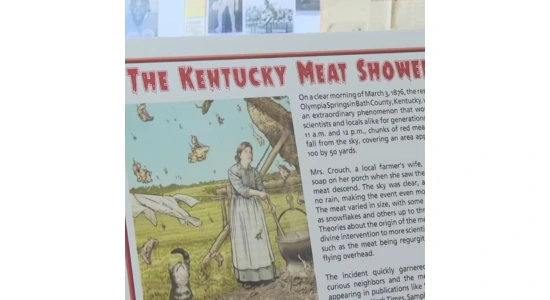
Picture this. It’s March 1876 in Bath County. A local farmer’s wife named Mrs. Crouch is just chilling on her porch making soap—because what else do you do on a Friday afternoon in the 1870s—when suddenly the sky starts spitting chunks of raw flesh all over her yard. Not a cloud in sight. Just raining meat.
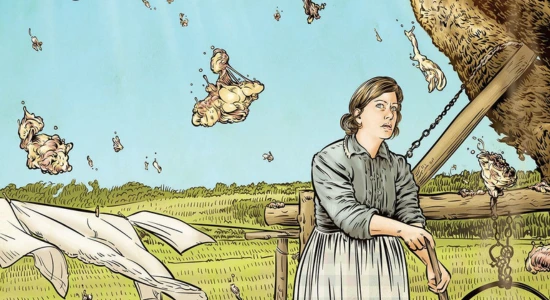
Literal gristle. Fat and tissue slapping against the wooden fence posts like a wet mop.
Some of it was the size of delicate snowflakes, but other pieces were legit three-inch slabs of whatever-the-hell-it-was. And keep in mind, there were no commercial airplanes back then. No exploding meat factories nearby. It was just a quiet, picturesque Appalachian town that abruptly turned into a butcher’s open-air dumpster. Obviously, everyone freaked out. Because how do you even begin to process that?
The Immediate Aftermath of the Kentucky Meat Shower
So what do you do when mysterious sky-meat litters your property? You eat it, apparently.
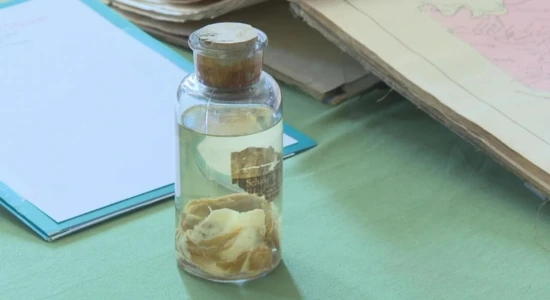
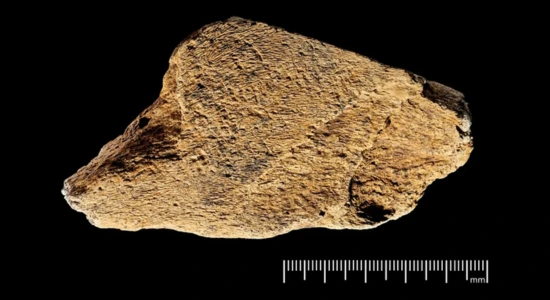
Yes. Really. Two local guys actually tasted the yard-flesh to figure out what it was, which is a move that would make modern disease control experts absolutely lose their minds. They chewed on it. Decided it tasted sort of like mutton. Or maybe venison. Gross. Word got around fast, and soon enough, jars of this mystery meat were being shipped off in glycerin to prominent scientists who had zero clue what they were looking at.
Desperate Theories and the 1876 mystery meat shower
At first, the experts were completely stumped. A few tried to blame it on Nostoc—which is just this weird algae that puffs up into a gross jelly when it rains—but a quick look under a microscope killed that theory fast. It was definitely animal tissue.
As people got more desperate to explain the 1876 mystery meat shower, the guesses got exponentially wilder. One guy swore it was bear meat. Another researcher decided it was lung tissue from a horse, or, terrifyingly, a human infant. Someone even suggested a rogue tornado had ripped apart a flock of sheep somewhere and dumped the leftovers on Mrs. Crouch. Except there hadn’t been a single tornado reported in the entire region. Not one.
The Vulture Vomit Verdict
Then along came a chemistry professor named Dr. L.D. Kastenbine. He took one look at the samples and offered an explanation that actually made sense—and it’s absolutely repulsive.
Projectile vulture vomit.
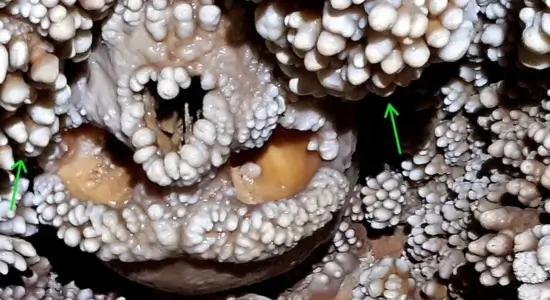
Turkey vultures are native to Kentucky. And they have this super charming defense mechanism where, if they get spooked or need to take off in a hurry, they violently throw up whatever they just ate to drop weight. Imagine a massive flock of them soaring way up high in the jet stream. They’ve just gorged themselves on a dead horse or a rotting sheep. Something scares them, and boom. A collective, mid-air barf session. It perfectly explains the shredded, half-digested state of the meat.
Sure, it’s not as fun as aliens or a glitch in the matrix. But the vulture vomit theory is pretty much the only thing that holds water when it comes to the 1876 mystery meat shower. Just a reminder that nature is often way more disgusting than we give it credit for. So next time you’re outside enjoying a clear blue sky, maybe wear a hat—and keep checking out Tuchill.com to explore the strangest corners of reality.
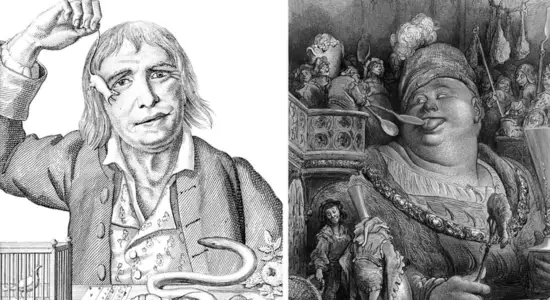
Did you know? * Raining meat is nothing. In the 18th century, a French guy had a terrifying medical glitch that made him eat literally anything. Garbage. Live stray animals. Much worse stuff. Go read The Dark Medical Mystery of Tarrare: The Guy Who Literally Ate Everything. Seriously. It’ll ruin your lunch.
-
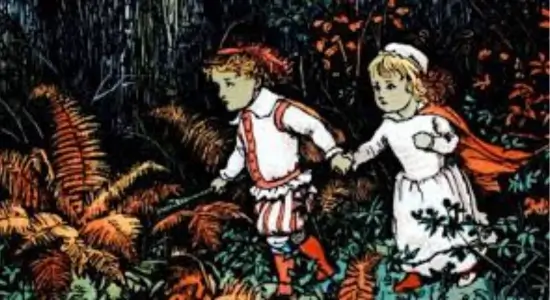
Medieval England had its own alien scare. Two kids wandered out of a cave with literal green skin and spoke total gibberish. People lost their minds. But the actual diagnosis? Way weirder than aliens. Check out The Bizarre Medical Theory Behind the Green Children of Woolpit.
References:
Scientific American — The Kentucky Meat Shower of 1876
Vice: Motherboard — The Great Kentucky Meat Shower Mystery
Journal of the Franklin Institute — Microscopic Observations on the Kentucky Meat Shower