
When the Dutch-flagged polar cruise ship, the MV Hondius, slipped out of the port of Ushuaia, Argentina, on April 1, 2026, the 147 passengers and crew on board were expecting the voyage of a lifetime. Operated by Oceanwide Expeditions, the ship was scheduled to navigate the icy waters of the South Atlantic, stopping at some of the most remote islands on Earth before finishing its journey off the coast of Africa. But buried among the excited vacationers was a microscopic stowaway that thrives in the dust and shadows of South America.
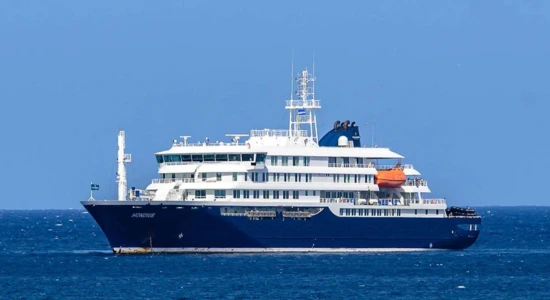
Just five days into the expedition, on April 6, a 70-year-old Dutch passenger began complaining of severe flu-like symptoms. By April 11, the man was dead. Initially dismissed as a tragic case of natural causes, the ship continued its course across the Atlantic. The crew had absolutely no idea that their luxury vessel had just become ground zero for a highly unusual, terrifying biological event. The ship was carrying a lethal pathogen that rarely leaves the remote wilderness of the Andes mountains.
The Incubation: How the Andes Hantavirus Outbreak Began in Argentina
To understand how a deep-forest pathogen ended up on a luxury cruise liner, you have to look at the unique biology of hantaviruses. Most hantaviruses are transmitted to humans when they accidentally breathe in airborne dust contaminated with the urine, feces, or saliva of infected rodents. However, the Andes virus—a specific strain endemic to Argentina and Chile—has a terrifying superpower: it is one of the only hantaviruses explicitly documented to spread from human to human through close, prolonged contact.
Epidemiologists investigating the origin of the deadly Andes hantavirus outbreak quickly zeroed in on the days before the cruise began. Before boarding the MV Hondius, the deceased Dutch passenger and his wife had gone on a birdwatching expedition in Ushuaia, a city at the southern tip of Argentina famously known as the “End of the World.” Argentina has Latin America’s highest incidence of the virus, and researchers suspect the couple unknowingly inhaled aerosolized rodent droppings while trekking through the brush, incubating the pathogen just days before stepping onto the ship.
A Biological Nightmare at Sea
Because the initial death was attributed to natural causes, the ship’s itinerary proceeded. For nearly two weeks, the deceased man’s body remained on board the vessel. On April 24, the MV Hondius finally docked at the remote British territory of Saint Helena, where 30 passengers disembarked, along with the grieving widow and the remains of her husband.
The true horror of the situation revealed itself just two days later. On April 26, the Dutch widow abruptly collapsed and died after traveling to a hospital in Johannesburg, South Africa. Laboratory tests confirmed the unthinkable: she was infected with the Andes hantavirus. By early May, the virus had successfully jumped to other passengers and crew members in the confined quarters of the ship. A German passenger died on May 2, and several others, including 56-year-old British expedition guide Martin Anstee, suffered severe respiratory failure and required urgent medical evacuation to Europe.
Containing the Ghost Ship in the Atlantic
Once the World Health Organization (WHO) confirmed human-to-human transmission was occurring, global health authorities slammed the brakes on the vessel’s journey. Maria Van Kerkhove, the WHO’s director of epidemic and pandemic preparedness, confirmed that the spread was limited strictly to close contacts—people sharing cabins and breathing the exact same confined air. Yet, the panic was immediate.
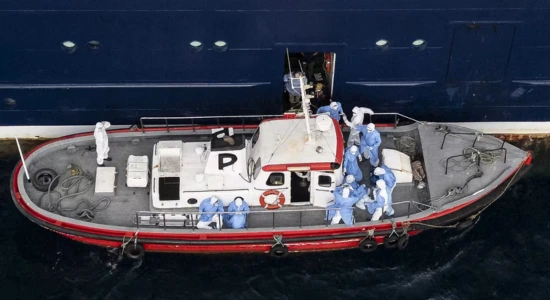
The MV Hondius was denied permission to dock in Cape Verde and was essentially transformed into a floating quarantine zone. Global health agencies, including the UK Health Security Agency led by Chief Scientific Officer Prof. Robin May, launched a massive international manhunt to track down the 29 passengers who had already left the ship in Saint Helena. The vessel was eventually redirected to Tenerife in the Canary Islands, where heavily protected medical teams awaited to safely evacuate the remaining passengers.
Conclusion
The deadly Andes hantavirus outbreak on the MV Hondius serves as a blunt lesson on how deeply connected our global travel networks are to the natural world. A single breath of contaminated dust in a South American forest easily triggered an international health crisis on the high seas just weeks later. While the Andes strain is much less contagious than respiratory viruses like COVID-19, its shockingly high fatality rate and ability to jump between humans in enclosed spaces proves that nature always has a new biological trick up its sleeve.
References:
The Guardian — Global race under way to trace passengers who left hantavirus ship before outbreak confirmed
Reuters — Hantavirus-hit cruise ship to sail to Spain; rare Andes strain confirmed
European Centre for Disease Prevention and Control (ECDC) — Threat Assessment Brief: Hantavirus-associated cluster of illness on a cruise ship