
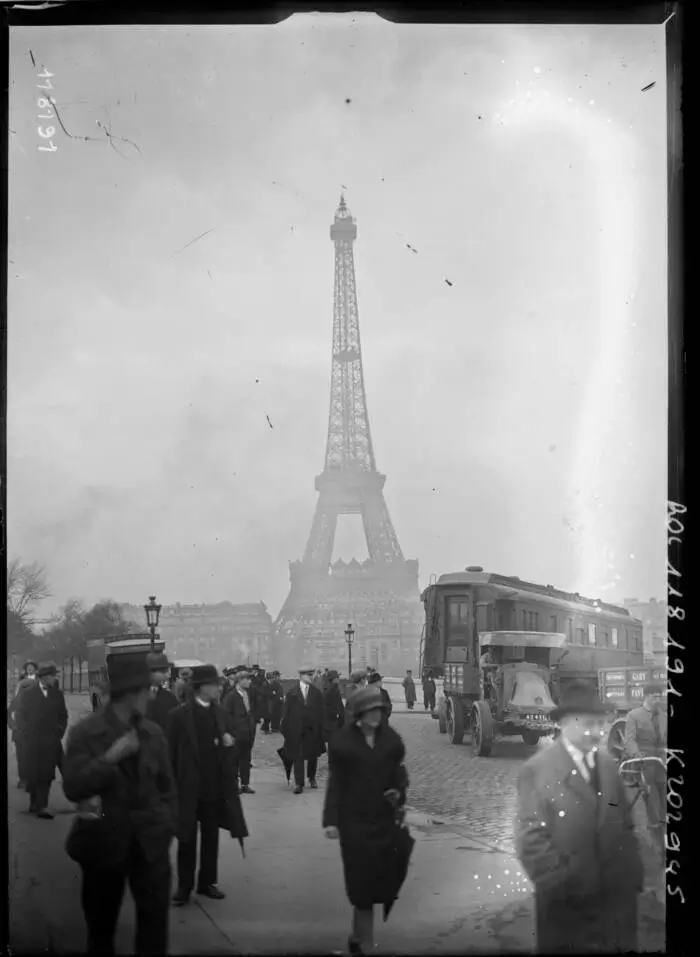
In the spring of 1925, the city of Paris was facing a massive, 7,300-ton infrastructural nightmare. Built as a temporary archway for the 1889 World’s Fair, the Eiffel Tower was never meant to be a permanent fixture of the Parisian skyline. Three decades later, the monument was heavily rusted, dangerously dilapidated, and draining the French government’s finances just to keep it painted. The public discourse grew so heated that local newspapers began running op-eds arguing that it would be vastly cheaper for the city to simply dismantle the towering iron structure and sell it for scrap.
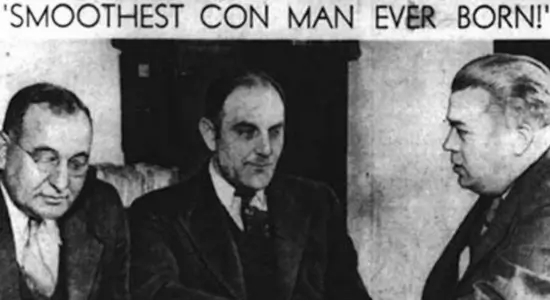
While most citizens saw a civic crisis, one impeccably dressed man reading the daily paper saw the ultimate financial opportunity. Armed with nothing but counterfeit government stationery and a profound understanding of human psychology, he executed a scheme so brazen it sounds like a Hollywood screenplay. He managed to convince a room full of wealthy industrialists that the French government was secretly tearing down its most iconic monument, cementing his historical legacy as the greatest con artist who sold the Eiffel Tower. Even more mind-boggling? He got away with it, and then he returned to do it all over again.
How Victor Lustig Sold The Eiffel Tower Using Social Engineering
To understand how this scam actually worked, you have to look at the mechanics of a perfect con. It isn’t about creating an unbreakable illusion; it is about creating a highly plausible scenario that the victim desperately wants to believe. In May 1925, Victor Lustig commissioned forged credentials identifying himself as the Deputy Director-General of the Ministry of Posts and Telegraphs. He then sent formal, highly confidential letters to six of the top scrap metal dealers in Paris, inviting them to a secret meeting at the Hôtel de Crillon—one of the city’s most prestigious and expensive luxury hotels.
Once the dealers were gathered in a private suite, Lustig pitched his lie. He explained that the upkeep on the Eiffel Tower was simply too astronomical and that the President of France had quietly ordered it to be dismantled. The operation had to remain an absolute state secret, he claimed, to avoid public outrage until the demolition actually began. Because the local newspapers had already been debating this exact outcome for months, the story aligned perfectly with the dealers’ pre-existing reality. The bait was in the water, and Lustig simply needed to see which dealer would bite the hardest.
Finding The Perfect Mark: The Psychology Of André Poisson
A master scammer doesn’t just look for greed; they look for insecurity. Among the six men in the hotel suite was André Poisson, a businessman who was relatively new to the elite Parisian financial circles. Poisson felt overshadowed by his competitors and was desperate to make a massive, career-defining deal that would put his name on the map. Lustig immediately identified Poisson as the weak link and zeroed in on him, telling the young executive that his bid for the 7,300 tons of scrap iron had been accepted.
But Lustig employed one final, brilliant psychological trick to seal the deal. During a private one-on-one meeting, Lustig began complaining to Poisson about his meager government salary and the high cost of living in Paris. Poisson instantly realized he was being shaken down for a bribe. Ironically, this was the exact moment Poisson’s suspicions vanished. To a 1920s businessman, a corrupt government official demanding a kickback made complete, logical sense—it was the ultimate proof that Lustig was authentic. Poisson handed over a massive cash bribe, along with a certified check for the scrap metal, completely unaware he was funding the con artist who sold the Eiffel Tower.
The Second Attempt And The Counterfeit Downfall
Within hours of cashing the check, Lustig hopped on a train to Vienna with a suitcase stuffed with cash. Back in Paris, Poisson eventually realized he had been duped. However, the psychological trap held firm: Poisson was so profoundly humiliated by his own gullibility that he refused to report the crime to the police, fearing the public embarrassment would ruin his business reputation entirely.
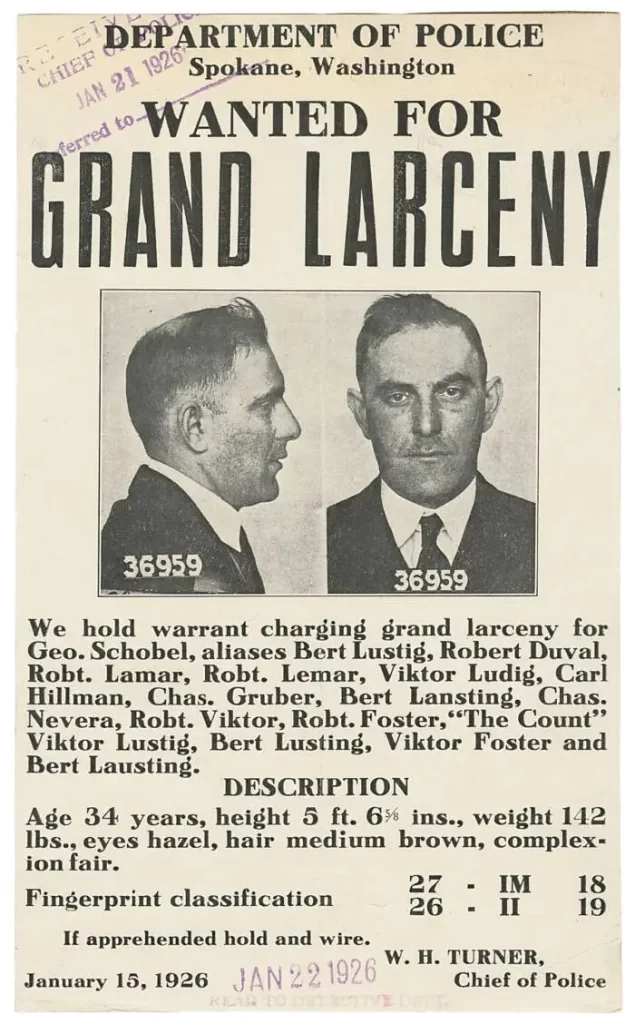
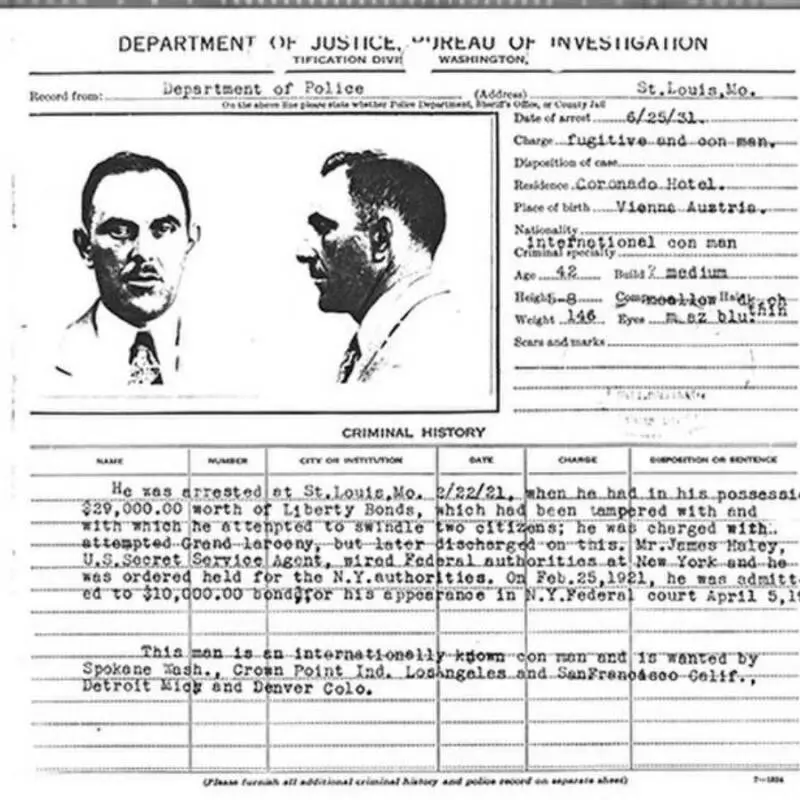
Because the crime was never reported, Lustig realized he had executed a completely invisible heist. Shockingly, he returned to Paris a month later, gathered six entirely different scrap dealers, and attempted the exact same trick. This time, however, one of the targeted marks grew suspicious and tipped off the police. Lustig was forced to flee across the Atlantic to the United States. He would eventually be caught by the Secret Service in 1935 for running a massive counterfeit banknote ring, spending his final years in the infamous Alcatraz federal penitentiary before dying of pneumonia in 1947.
Conclusion
The reality of the Eiffel Tower scam is a brilliant reminder of how fragile human logic becomes when mixed with ego and greed. Victor Lustig didn’t use advanced technology, complex financial algorithms, or violence. Instead, he hijacked the natural anxieties of his victims, turning their own ambition and fear of missing out against them. His legendary 1925 grift stands as a masterclass in social engineering, proving that if a lie is timed perfectly with the cultural zeitgeist, people won’t just believe it—they will pay a fortune to be a part of it.
History is full of unbelievable human audacity. Victor Lustig’s Eiffel Tower scam proves that sometimes the most absurd stories are entirely true. If you love discovering the weird, wild, and completely unexpected sides of our past, the rabbit hole goes much deeper. Dive into our archives to explore more mind-bending true stories and bizarre history facts that sound like pure fiction but actually happened.
References:
Smithsonian Magazine — The Smoothest Con Man That Ever Lived
Biography — Victor Lustig: The Man Who Sold the Eiffel Tower
The Paris Review — The Art of the Con: Victor Lustig